

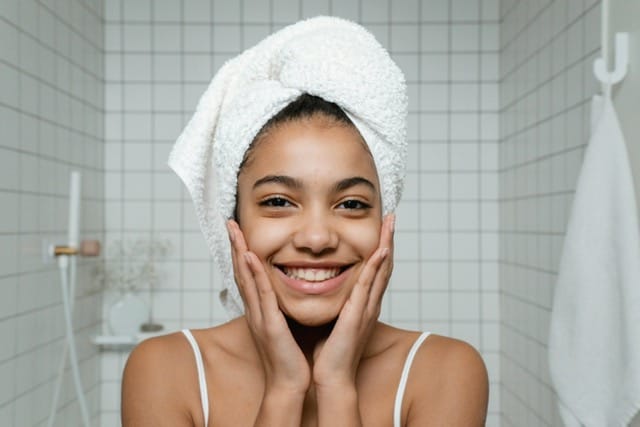
Teens today face an overwhelming amount of skincare advice and products, much of it from social media and often not suitable for sensitive, hormonal skin. Parents and teens alike can struggle to find reliable guidance. Here’s what the experts recommend.
Recently, many skincare brands have started targeting teens, aiming to simplify routines and promote self-acceptance.
Some dermatologists believe established brands offer everything young skin needs. Others see value in teen-specific products. Teen-specific ranges can provide clear guidance, helping young people make better skincare choices and avoid harmful ingredients which they are led to believe are actually safe.
Dermatologists are concerned about the impact of social media on teen skincare routines which often are complex and can filled with harmful actives for young skin. A 13-year-old’s routine should focus on basic hygiene. Products recommended by influencers can sometimes cause breakouts.
For “tweens” (ages 9-12), skincare should be very basic, focusing on hygiene rather than acne treatment. For “teenagers” (ages 13-18), a simple routine with a cleanser, moisturiser, and sunscreen is usually enough. For dry skin extra hydration can be introduced. For acne, spot gels will help.
Teens need a gentle cleanser that clears pores without being harsh.Milky cleansers with lukewarm water are recommended. Foaming or gel cleansers can be drying so best to avoid. The basic requirement is hygiene so avoid brands that complicate cleansers with lots of promises to fix different skin types. A mild cleanser than cleans the skin is all that’s needed.
Teens should hydrate their skin well all the time. If they are going through a normal skin phase then use lightweight, non-greasy moisturisers. For acne-prone skin, moisturisers or gels that contain anti inflammatory ingredients and do not clog pores are best. Products like Facely’s SPF 50 UVA with Moisturiser or Night Shift Moisturiser are recommended.
Experts agree on the importance of sunscreen, especially during sunny months. Teens should avoid excessive sun exposure and use sunscreen with SPF 30-50 when outdoors. Light sunscreens with hydrating ingredients can replace moisturisers during the summer.
For treating breakouts, product containing natural anti inflammatories like lavender and drying elements like which hazel are both gently and effective. For persistent acne, a dermatologist may recommend retinol formulated for blemish-prone skin.
Consistency is key. Allow up to 3 months for products to work. If over-the-counter products do not clear up breakouts within 3-6 months, seeing a dermatologist is advised. Early treatment is crucial to prevent scarring and manage skin health effectively.
By focusing on simplicity and avoiding overcomplicated routines, teens can maintain healthy skin without falling into common skincare traps.
Share :